
Harm Reduction Therapy in NYC
You don't have to quit to start therapy.
At Reframed Mental Health, harm reduction is part of how all of our therapists work. We meet you where you are with drinking, drugs, sex or anything else that carries risk, and work with you on what you want to change, at your pace. Sessions are in our Midtown Manhattan office or online anywhere in New York State, and you can use your insurance.
Or call us at (212) 675-8255
- No requirement to stop using
- In network with 13 plans, including Medicaid
- In person at 55th & 6th in Midtown
- Online anywhere in New York State
What is harm reduction?
Harm reduction is a way of supporting people that starts with keeping them alive and safe, not with a demand to stop. It came to the front during the AIDS crisis in the 1980s, when people who used drugs started needle exchanges to protect each other from HIV. Today it's behind things like drug checking and Narcan.
In therapy, it means you're the expert on your own life. Your therapist won't tell you what to do. They'll make sure you understand the risks, help you lower them and support whatever you decide you want to change, whether that's using less, using more safely or stopping altogether.
Harm reduction therapy might be a fit if
You've been told you have to quit before anyone would help you
You're in a risky situation that you're not ready to get out of yet, but want a little less risk
You're not sure you want to stop, but you want to be safer
You want to cut back, not necessarily quit
Abstinence-only programs haven't fit you
You want to talk about drinking, drugs or sex without being judged
Your risky behavior is tangled up with trauma, stress or how you cope
Drugs and sex have become tied together for you (sometimes called chemsex)
Or call us at (212) 675-8255
Harm reduction and addiction
Harm reduction isn't the opposite of recovery. For a lot of people, it's where recovery starts. Some people come to us still using and want to be safer. Some want to cut back. Some have recently stopped and want help staying stopped. All of that is addiction work, and we can help wherever you're starting from.
It also isn't only about substances. The same approach applies to sex, relationships, work and the choices that come with them: honest information about risk and a plan to stay safer, without a lecture.
One place this matters a lot is chemsex: using drugs like meth or GHB during sex, most often among gay, bisexual and queer men. It can start as a way to feel closer, freer or less anxious, and then it gets hard to have one without the other. Brian has talked about chemsex recovery, and how ADHD and neurodivergence can shape addiction, on The AfterMeth Podcast.
How we work
Harm reduction is part of good therapy in general: respect for your choices, honesty about risk and no judgment. Every therapist on our team works this way, whether it's addiction or reckless behavior.
Where our therapists differ is who they're best suited for. Some of our therapists specialize in working with people who are still using, and others focus on people who have already stopped, even recently. In your free consult, we'll match you with the one who fits where you are.
Who you'll work with
-
Danielle Foreman, MHC-LP
Danielle started her career doing harm reduction outreach on Skid Row in Los Angeles, teaching unhoused women about safer sex and safer drug use. She works with people wherever they are with substance use, including people who aren't ready to stop.
-
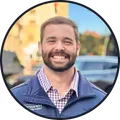
Brian Molloy, MHC-LP
Brian approaches substance misuse and chemsex addiction with compassion, curiosity, and a nonjudgmental understanding of the complex relationships between substance use, sexuality, intimacy, and emotional well-being. Drawing on clinical experience and an appreciation for the lived experiences of those navigating these challenges, he helps clients explore underlying patterns, strengthen their relationship with themselves, and develop healthier, more intentional relationships with sex, substances, and connection.
-
Blake Brinkman, MHC-LP
Blake works with addictions of all kinds. He works with people who are still using and want to cut back or stop, and with people who have already stopped, even recently, and want support staying there.
-
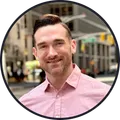
Edwin Depner, LMHC-D
Clients engage in all kinds of risky behavior for all sorts of reasons, and almost always reducing risk is the first step. People often link harm reduction with substance use, but even though Edwin doesn't specialize in addiction work, he uses harm reduction throughout his work with all types of clients.
-
Keilyn Mercado, MHC-LP
Whether it is through addiction, impulsivity, or depression, people engage in different kinds of risky behavior to cope with the difficulties they may be experiencing. Keilyn uses harm reduction in her work to help clients manage the difficulties in a way that keeps them safe and comfortable.



Insurance
Sessions are 55 minutes. We're in network with these plans:
-
 1199 SEIU
-
 Aetna
-
 Cigna
-
 Curative
-
 First Health
- Medicaid
-
 Meritain Health
-
 NYC Employee PPO
-
 Optum
-
 Oscar
-
 Oxford
-
 UMR
-
 UnitedHealthcare
Private pay is $125 a session.
Insurance & FeesFrequently asked questions
Do I have to stop using to start therapy?
No. You don't need to be clean, sober, abstinent or plan to be, to start therapy. And if you've already stopped, we can help you stay there.
Isn't harm reduction just enabling?
No. Harm reduction doesn't mean anything goes. It means sobriety isn't a requirement for getting support. The goal is keeping you as safe as possible from one session to the next, and if you decide you want to cut back or stop, your therapist will help you get there.
Is outpatient therapy right for every level of substance use?
Not always. Reframed Mental Health provides outpatient therapy, and sometimes someone needs more support than therapy alone can give, like a medical detox or an intensive outpatient program. When that's the case, we'll refer you to the right place, and you're welcome to come back to us once you've finished that step and therapy is a good fit again.
If our intake team thinks we might not be the right fit when you first reach out, we'll tell you on that call and suggest some places to look.
Does insurance cover harm reduction therapy?
Usually, yes, as long as we're in network with the company on your insurance card. It's billed the same way as any other therapy.
Will my therapist report my drug use?
No. Therapists don't report adults to the police for using drugs. Therapy is confidential, with a few exceptions required by law. Therapists are only required to report when a child is being abused or there is active or near-immediate physical harm, violence or danger to a specific person or public safety.
Can I do therapy online?
Yes, anywhere in New York State.
How do I get started?
-
Book your free consult
Pick a time online or give us a call. It's a short call with our intake team, not a therapy session, so there's nothing you need to prepare.
-
We handle the logistics
We talk through scheduling and insurance, then check your coverage. That way your first session can be about you, not logistics.
-
Meet your therapist
We match you with the therapist who fits where you are and your schedule.
Support without conditions
You don't have to have it all figured out, or make any promises, to start. We're here to keep you safe and supported, wherever you are right now.
Or call us at (212) 675-8255
If you or someone you're with might be overdosing, call 911. For a mental health crisis, call or text 988.