Practical,
Whole Person Psychotherapy
Reframed Mental Health uses a highly interactive, explorative and practical approach. There is no such thing as "one size fits all" when it comes to therapy. If you are looking for a weekly session to lie on a couch and unload your thoughts where your therapist's primary interaction is asking "How does that make you feel?" this isn't likely to be the right fit.
We want to get to know you - the whole person - and tailor your therapy based on what will help you achieve your goals.
Move past surviving into thriving
-
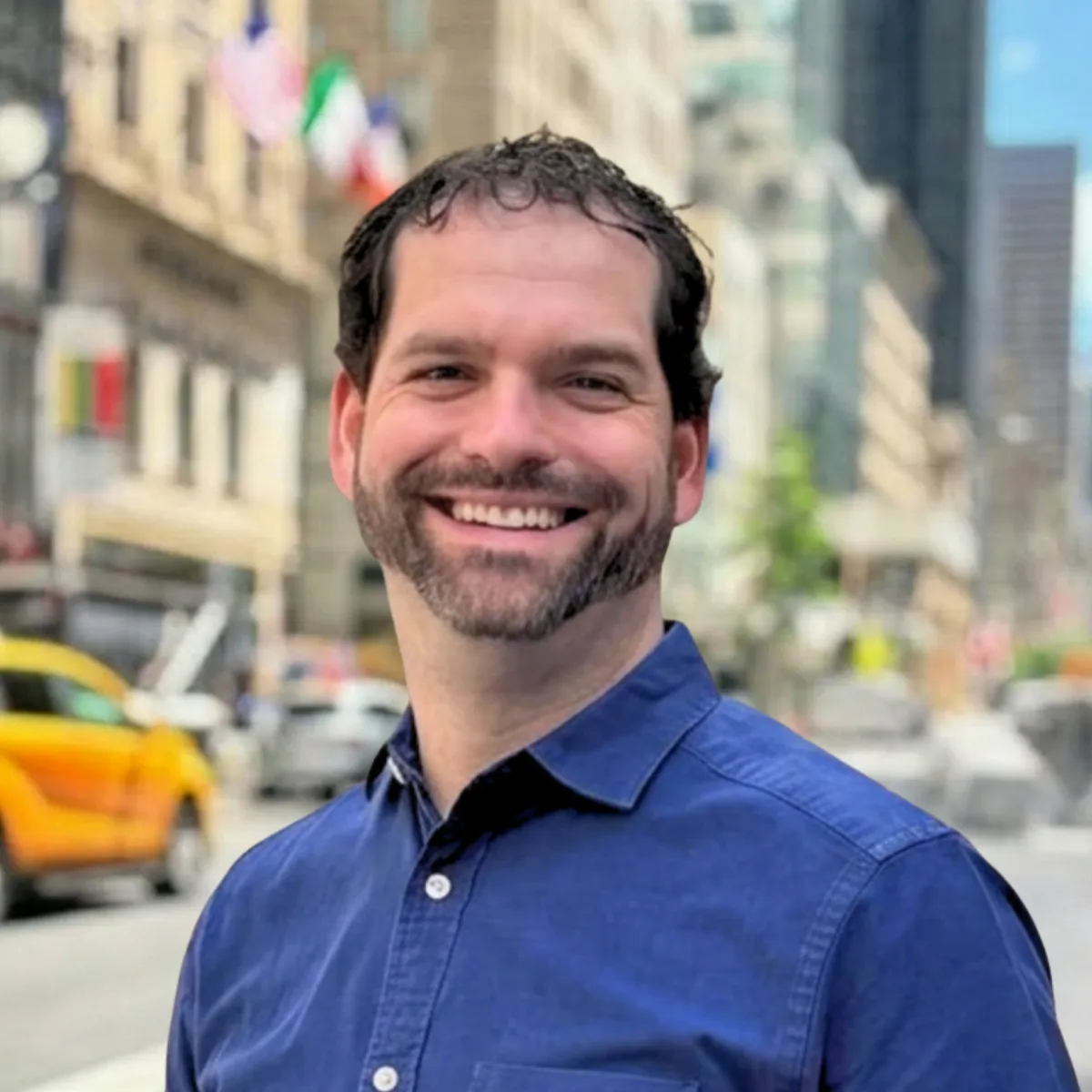 Principal Psychotherapist
 Edwin Depner
Specializes in: Capable & Stuck; Neurodivergent Teens & Adults; Relationships -
 Psychotherapist
 Keilyn Mercado
Specializes in: Women's Wellbeing; Neurodivergent Adults; Children & Adolescents -
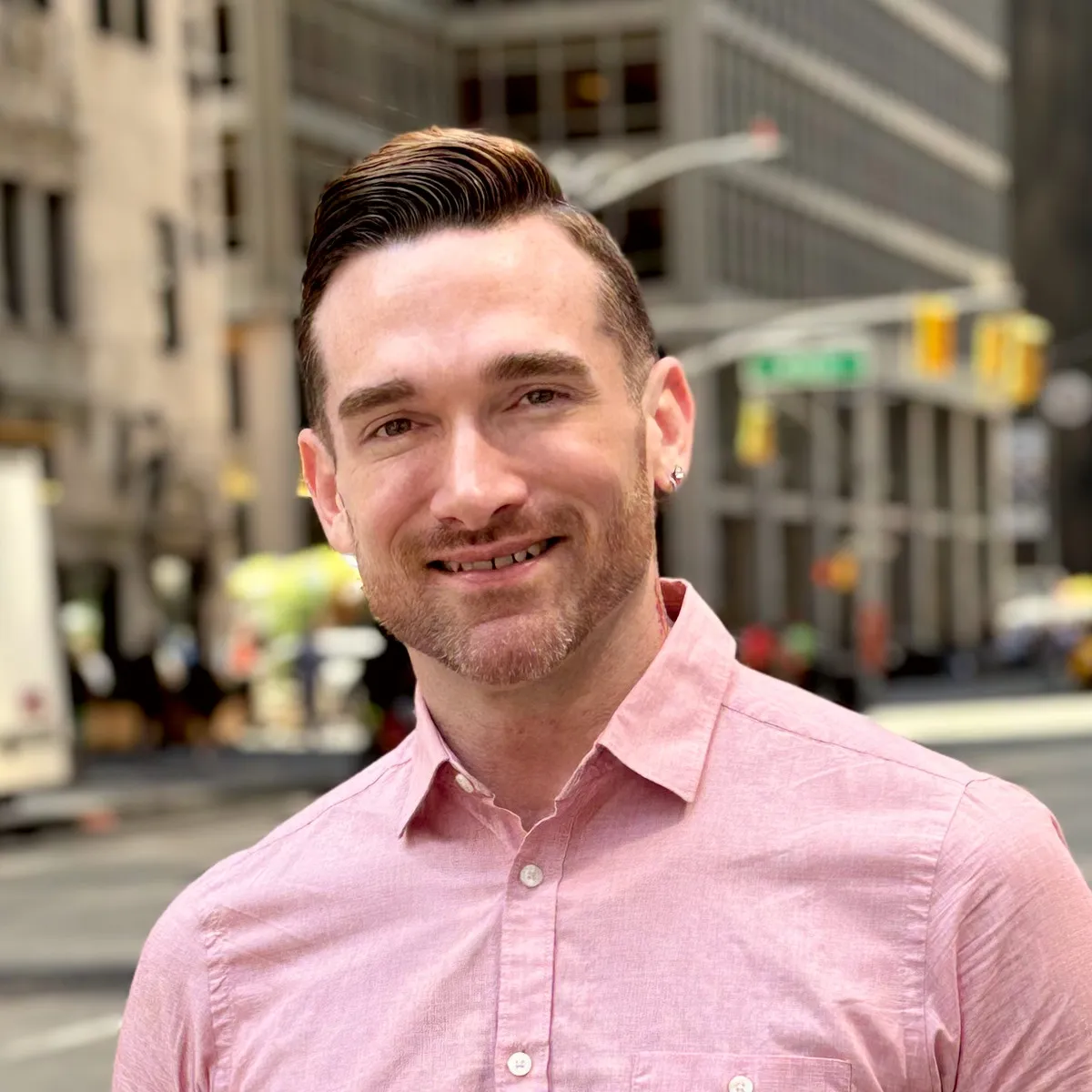 Psychotherapist
 Brian Molloy
Specializes in: ADHD; Polyamory & ENM; Addiction -
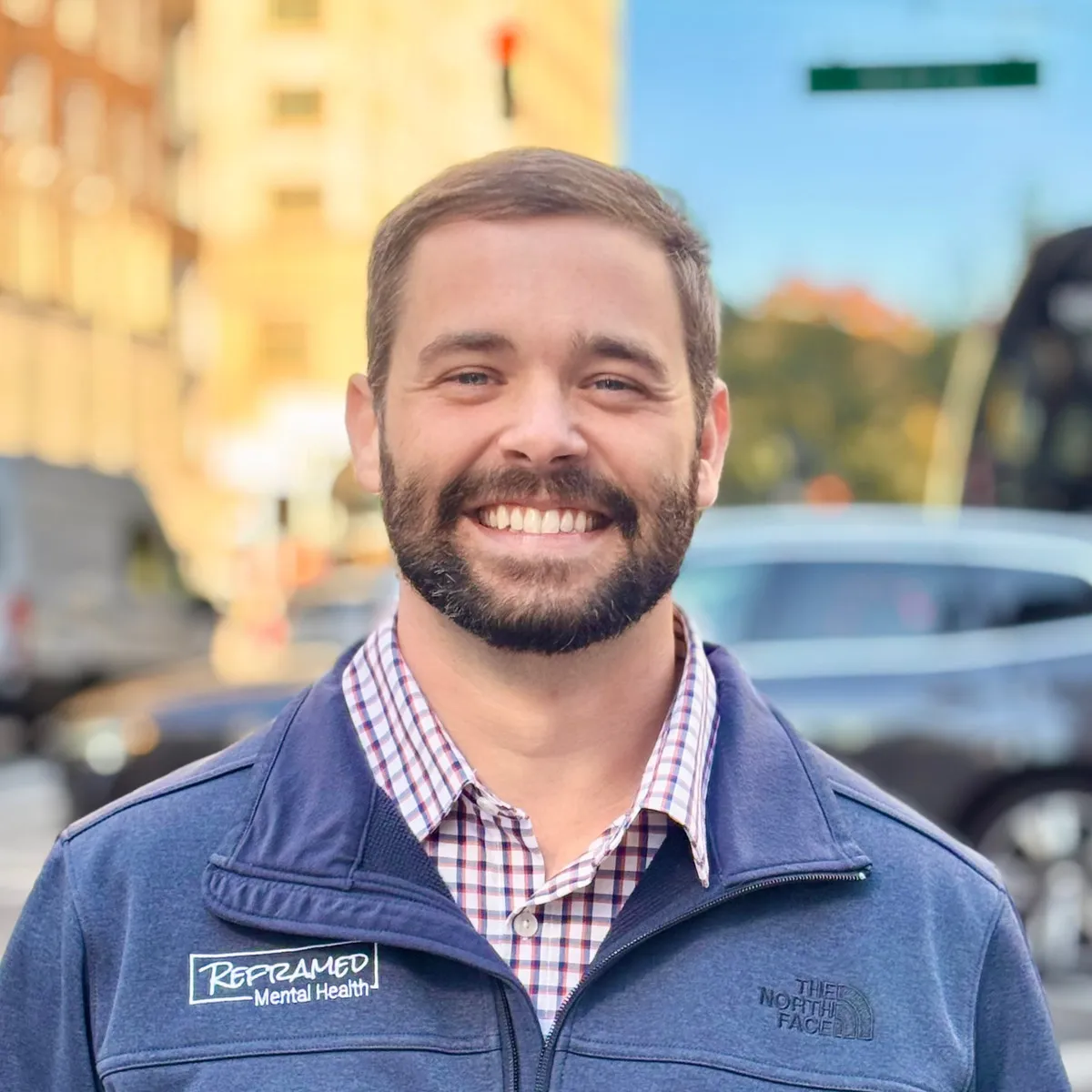 Psychotherapist
 Blake Brinkman
Specializes in: Addictions; Relationships -
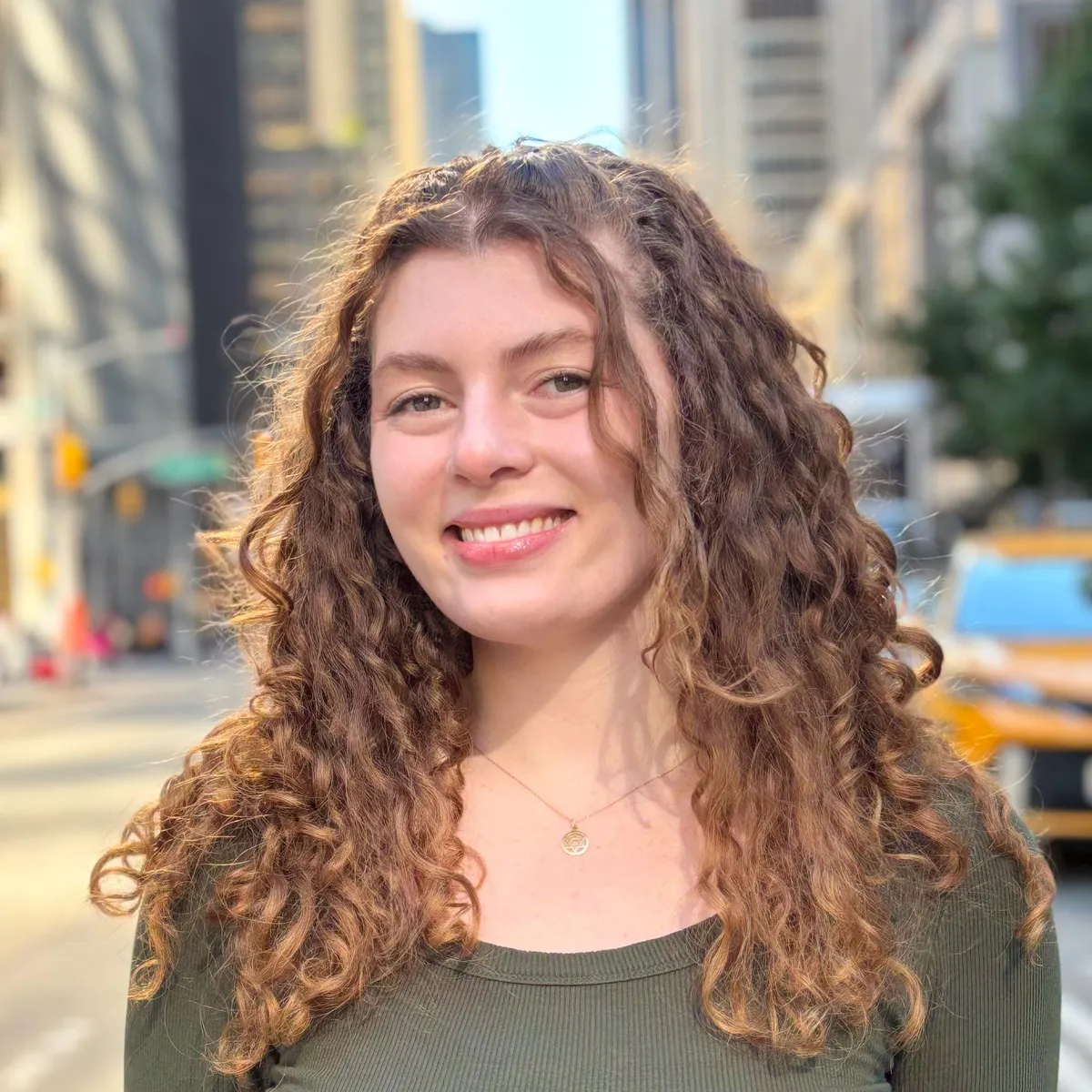 Psychotherapist
 Danielle Foreman
Specializes in: Women’s Wellbeing; Couples; Addictions -
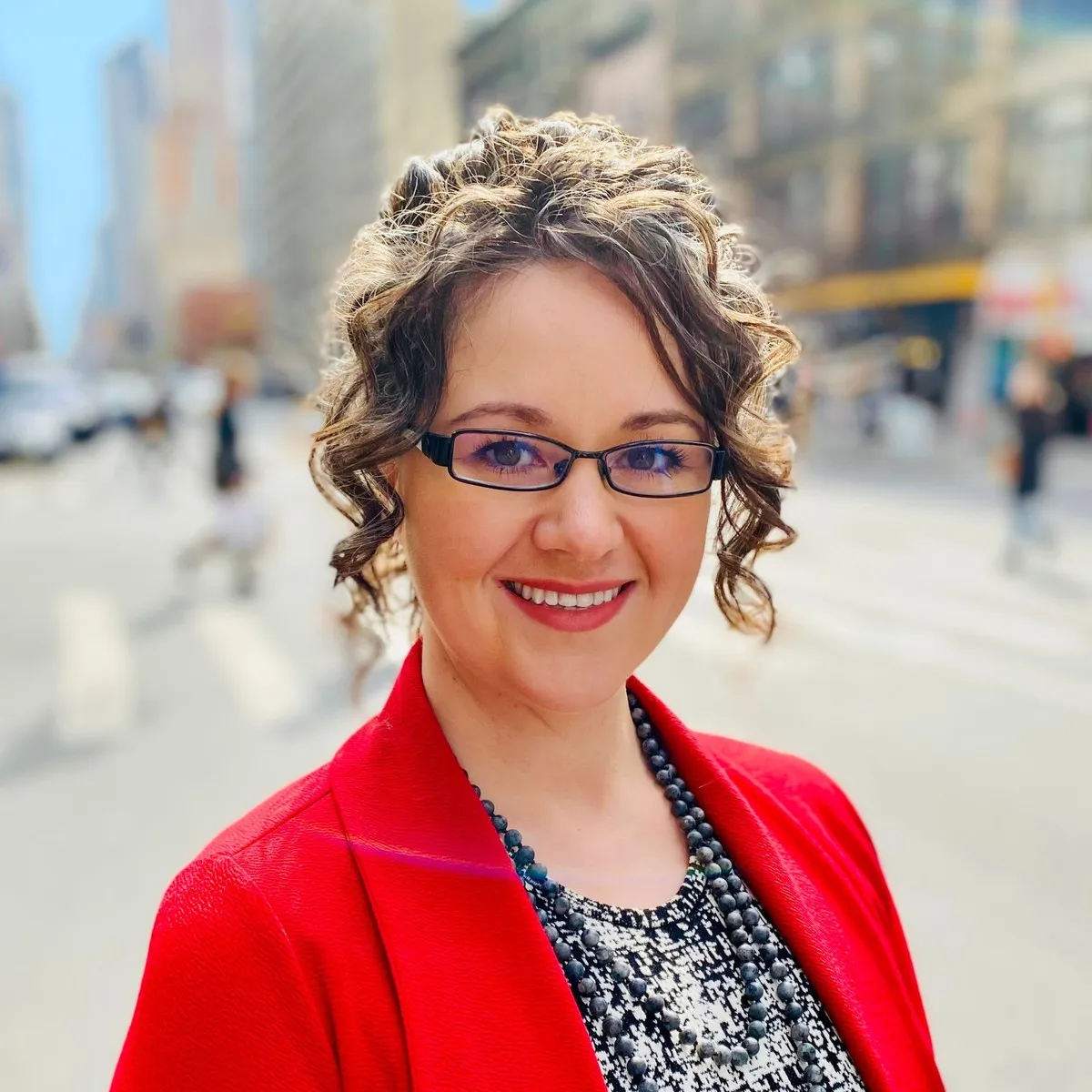 Practice Director
 Jennifer Depner
Scheduling; Billing; Business Growth

Explorative
We are feeling creatures before thinking creatures, so exploring is essential. We create a psychologically safe environment where we can
ask tough questions, be wrong,
and still keep exploring.

Whole Person
Mental health doesn't exist in a vacuum, so therapy shouldn't either. The treatment plan we develop together will consider your community, beliefs, and body in addition to your mind.
Trauma Informed
Identifying the widespread impact of trauma allows us to not only avoid re-traumatization, but take control of the narrative, use treatments that are more effective for trauma than talk therapy and break the cycle.
Whole Person
Model of Care
The Whole Person model of care is rooted in integrative medicine. Dr. George Engel was a doctor of both internal medicine and a psychiatrist and in 1977 he developed the Biopsychosocial model for clinical care. The essence of the model is that it ensures that you take your whole self into account, your biology, your psychology, and your social framework (community).
As humans we like to be able to draw a straight line from one cause to one effect, but life more closely resembles a web where every factor is interconnected which is what Dr. Engel's Biopsychosocial model sought to address. The Whole Person model of care is built off the framework of Engel's Biopsychosocial model.
The Whole Person model of care isn't a therapeutic treatment but is instead an approach to treatment that considers all aspects of the whole person when developing a treatment plan, together.
Whole Person Care
is rooted in 7 Pillars
- Self-Awareness
- Creating Trust
- Cultivating Curiosity
- Recognizing Bias
- Educating the Emotions
- Using Informed Intuition
- Using Evidence to Foster Understanding

Trauma Informed
Similar to the Whole Person approach, Trauma Informed care is an approach to treatment that recognizes the widespread impact and signs of trauma, resists re-traumatization and uses treatments that access the area of your brain where trauma responses originate.
While the principles of Trauma Informed Care are technically present in the Whole Person Model of Care, experiencing trauma is still overwhelmingly stigmatized despite being uncomfortably common. Stigma has been proven to lead to poorer outcomes, both mentally and physically, so identifying the trauma, and the widespread impact it has, allows us to not only avoid re-traumatization, but also take control of the narrative and break the cycle.
Read this infographic as text
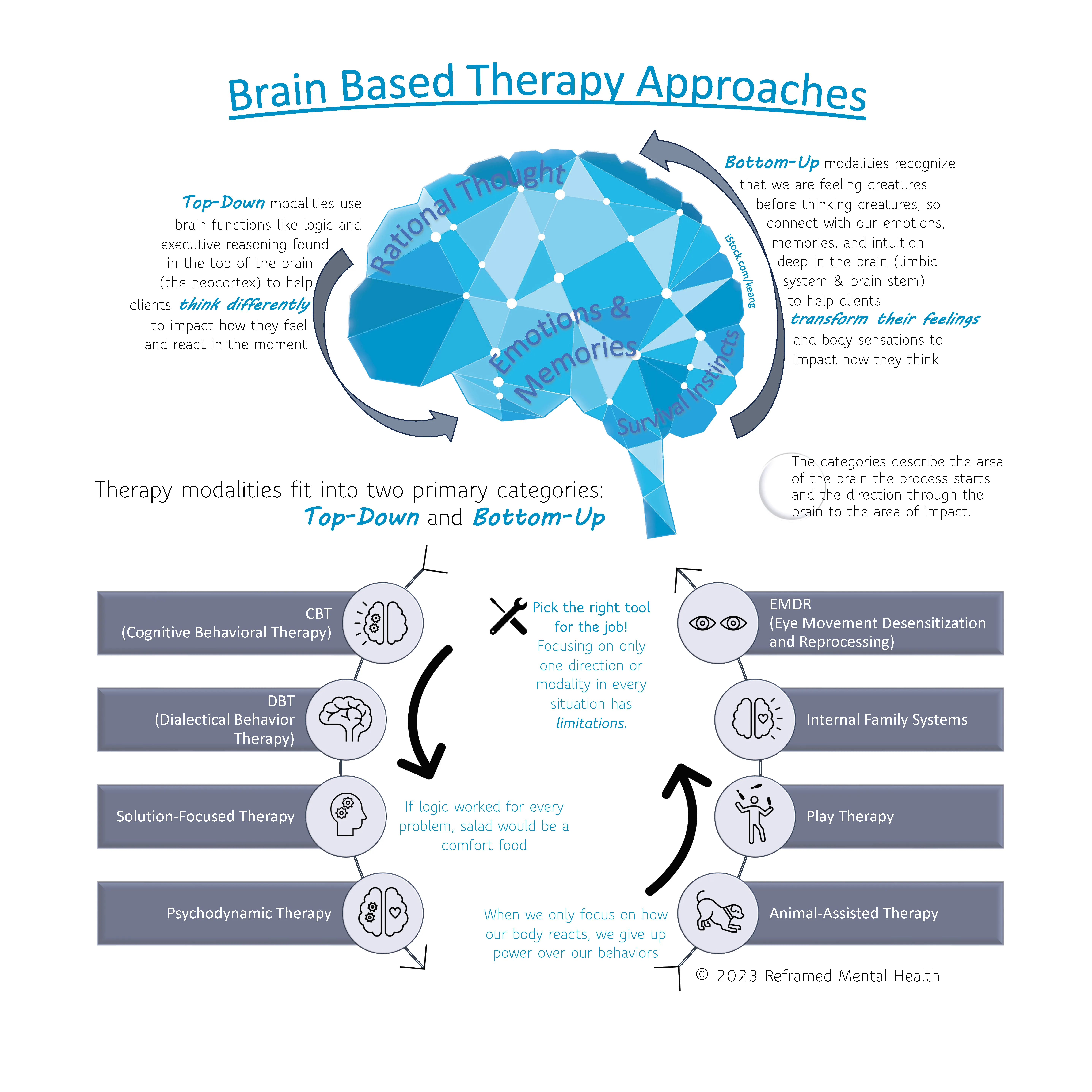
Brain Based Therapy Approaches
Therapy modalities fit into two primary categories: Top-Down and Bottom-Up.
The image shows a brain divided into three areas, from top to bottom: Rational Thought, Emotions & Memories, and Survival Instincts.
Top-Down modalities use brain functions like logic and executive reasoning found in the top of the brain (the neocortex) to help clients think differently to impact how they feel and react in the moment.
Bottom-Up modalities recognize that we are feeling creatures before thinking creatures, so connect with our emotions, memories, and intuition deep in the brain (limbic system & brain stem) to help clients transform their feelings and body sensations to impact how they think.
The categories describe the area of the brain the process starts and the direction through the brain to the area of impact.
Top-Down modalities
- CBT (Cognitive Behavioral Therapy)
- DBT (Dialectical Behavior Therapy)
- Solution-Focused Therapy
- Psychodynamic Therapy
If logic worked for every problem, salad would be a comfort food
Bottom-Up modalities
- EMDR (Eye Movement Desensitization and Reprocessing)
- Internal Family Systems
- Play Therapy
- Animal-Assisted Therapy
When we only focus on how our body reacts, we give up power over our behaviors
Pick the right tool for the job! Focusing on only one direction or modality in every situation has limitations.
© 2023 Reframed Mental Health. Brain illustration: iStock.com/keang.
Recommended Reading
Studies consistently show improved outcomes for clients who do homework between therapy sessions.
Reading and journaling are great homework picks - and here are some of our favorites!







DISCLOSURE: We won’t include a book/product unless Reframed Mental Health has read/used it and deemed it broadly valuable to clients.
To supplement the new book budget, we may earn an affiliate commission, at no cost to you, when you buy through links on our site.
Begin your journey toward healing and thriving today
Book a consultation